Templates Save Lives (Well… Your Sanity)

Communicate Faster With Less Stress
Ready-to-use templates for announcements, reminders, and events so boards stop rewriting the same messages every time..
Most HOA boards do not struggle because they lack dedication. They struggle because they are rewriting the same messages over and over.
Rule reminder. Meeting notice. Project update. Amenity clarification. Emergency alert.
Each time, someone opens a blank document and starts from scratch.
That is where stress begins.
The Hidden Cost of Starting Over
When boards improvise communication, tone shifts. Details get missed. Messages become longer than necessary. Emotions sneak in.
- One announcement sounds formal
- The next sounds defensive
- Another feels rushed
Residents notice that inconsistency, even if they cannot articulate it.
Structured templates eliminate that friction.
Why Templates Reduce Complaints
A good template answers questions before they are asked.
- What is happening
- Why it matters
- What residents need to do
- Where to find more information
When that structure is consistent, fewer follow-up emails arrive in your inbox.
Keep Your Tone Clear and Consistent
Align your board on language and tone so every message feels calm, professional, and intentional no matter who sends it.
Templates are not about being robotic. They are about being predictable.
Strong HOA communication relies on clarity and repeatable patterns, not improvisation.
Templates Protect Tone
When communication is rushed, tone often becomes sharper than intended.
Templates help boards:
- Use plain language
- Avoid overly legal phrasing
- Maintain respectful tone
- Reduce emotional escalation
Over time, this consistency builds trust.
They Also Save Volunteer Time
Most HOA board members are volunteers with full-time jobs and families. Every hour spent rewriting a familiar message is time taken away from strategic decisions.
Templates allow boards to:
- Draft messages faster
- Reduce internal edits
- Standardize approvals
- Stay consistent across channels
If your board is building a broader communication system, reviewing communication tools for modern HOAs can help integrate templates into your workflow.
Templates Support Website-First Communication
Templates work best when paired with a centralized posting strategy.
Instead of sending long standalone emails, boards can:
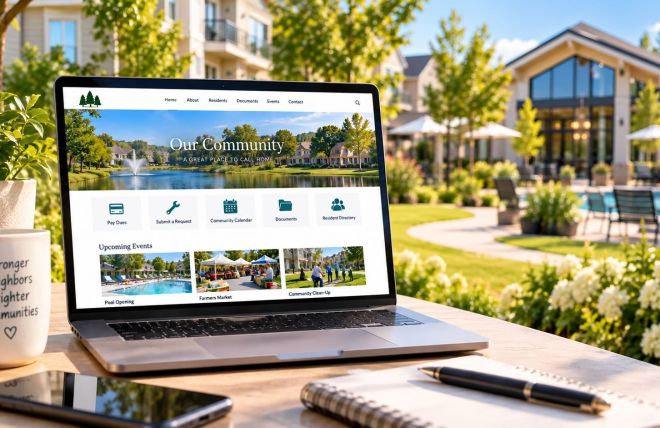
- Post structured updates to the HOA website
- Email residents a short summary with a link
- Keep information searchable and visible
Centralization reinforces consistency, as discussed in why a centralized HOA communication hub matters.
What Makes a Good HOA Template
Not all templates are helpful. Effective templates should:
- Use simple, direct language
- Provide placeholders for customization
- Maintain calm tone
- Encourage website-first posting
- Be easy to reuse without heavy editing
If templates feel stiff or overly formal, they will not be used. Simplicity increases adoption.
The Real Benefit: Less Stress
Clear templates do more than improve communication.
- They reduce last-minute scrambling
- They prevent tone mistakes
- They limit emotional escalation
- They create predictable structure
That structure protects both homeowners and board members from unnecessary tension.
Start With One Template
You do not need a massive library.
Start with:
- Rule change announcements
- Meeting notices
- Project updates
- Emergency alerts
Over time, your communication library becomes one of your strongest governance tools.
Templates may not literally save lives. But they will absolutely save your sanity.