How HOA Boards Should Make Decisions Without Chaos or Confusion

Decision making is where many HOA boards start to struggle. Discussions drag on, votes feel informal, and no one is quite sure what was actually approved. Over time, this lack of structure creates frustration, disputes, and second guessing.
Good governance does not require rigid formality. It requires a clear, consistent process that everyone understands and follows.
When boards agree on how decisions are made, meetings become calmer, faster, and far more productive.
Why Informal Decision Making Causes Problems
Many boards rely on casual agreement. Someone nods, someone says “sounds good,” and the board moves on. The problem shows up later when:
- Board members remember the decision differently
- Homeowners question whether something was approved
- There is no record of who voted or why
- New board members inherit unresolved confusion
Without a documented process, boards end up revisiting the same topics repeatedly and defending decisions that were never clearly recorded.
The Simple Five-Step Decision Process
HOA boards do not need to memorize Robert’s Rules. A simplified process works in nearly every situation.
- A motion is made
- The motion is seconded
- Discussion happens
- A vote is taken
- The decision is documented
This structure ensures every board member has a chance to participate and that decisions are clear and defensible.
Start the Year With Clear Governance
Strong HOA boards don’t rely on guesswork. They agree early on how the board operates, how decisions are made, and what’s expected of each role.
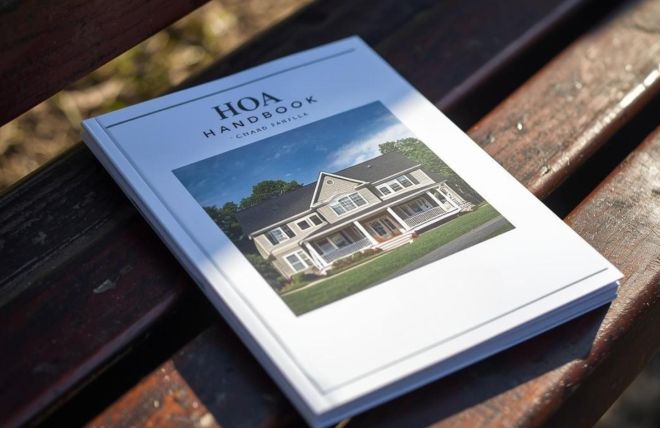
The HOA Governance Starter Kit gives boards a shared foundation with practical tools they can actually use.

Make Better Decisions With Less Friction
Confusion around motions, voting, and documentation creates unnecessary conflict. A simple, shared decision-making process keeps meetings focused and protects the board.
The Motion & Voting Cheat Sheet breaks Robert’s Rules down into a format HOA boards can actually use.
When a Vote Is Required
Not every discussion needs a formal vote, but many board actions do.
Votes are typically required for:
- Approving budgets or expenses
- Signing contracts or selecting vendors
- Adopting or changing policies
- Actions required by governing documents
Financial decisions in particular should always be clearly voted on and documented so there is no confusion later.
The Financial Aspect of HOA Meetings
Why Quorum Matters
Even the best decision-making process falls apart if the board does not have quorum.
Quorum ensures that enough board members are present to legally conduct business. Without it, votes may not be valid, even if everyone agrees.
Boards should confirm quorum at the beginning of every meeting before making decisions.
What HOA Boards Need to Know About Quorum
Documenting Decisions Protects Everyone
If a decision is not documented, it effectively did not happen.
Meeting minutes should clearly capture:
- The wording of the motion
- Who made and seconded the motion
- The vote outcome
- Any follow-up actions
Clear documentation protects the board, supports transparency, and creates continuity when board members change.
Meeting Minutes: A Guide to Efficient HOA Documentation
Structure Reduces Conflict
Most board conflicts are not about the decision itself. They are about how the decision was made.
A consistent voting process:
- Prevents interruptions and side conversations
- Ensures every voice is heard
- Reduces accusations of unfairness
- Builds trust with homeowners
When boards commit to a clear decision-making framework, meetings become less emotional and more effective.
Clarity Beats Perfection
HOA boards do not need perfect procedure. They need shared expectations.
A simple, consistent approach to motions, voting, and documentation creates confidence and momentum. Boards that invest in structure early spend far less time untangling confusion later.
If your meetings feel chaotic or decisions keep resurfacing, the problem is rarely disagreement. It is usually a lack of process.