How HOAs Evolved and Lost Their Way

It started with good intentions. Homeowners associations were designed to protect neighborhoods, preserve property values, and create order in shared spaces. They were meant to ensure that communities looked cared for and functioned smoothly.
But somewhere along the way, the system shifted. Rules multiplied, bureaucracy hardened, and connection gave way to control. What began as a framework for cooperation became a source of frustration for millions of homeowners.
From Community Builders to Enforcers
In their earliest form, HOAs were small, neighbor led groups managing common areas and basic maintenance. They were run by people who lived on the same streets they governed. The decisions were personal, practical, and rooted in community.
As housing developments expanded, so did the complexity of management. Larger HOAs brought in third party management companies to handle dues, maintenance, and compliance. Over time, residents became clients instead of participants.
Instead of neighbors working together, HOAs began to resemble mini corporations. The sense of shared purpose that once defined them began to fade.
The Rise of Bureaucracy and Burnout
Modern HOAs are often burdened by paperwork, meetings, and red tape. Volunteers who join with good intentions quickly find themselves overwhelmed. With so many rules to enforce and so many systems to maintain, it is easy for compassion to fall by the wayside.
This shift has created a divide, homeowners who feel unheard and boards who feel unappreciated. Both sides are frustrated, and both are right.
Technology that was supposed to simplify management often made it worse, scattering documents across emails and outdated websites. The result is confusion, miscommunication, and a growing sense that HOAs are broken.
Losing the Neighbor in Neighborhood
When process takes priority over people, trust evaporates.
The original purpose of HOAs was not to dictate color palettes or enforce parking rules, it was to protect and uplift communities. But many associations lost that emotional thread, focusing on compliance instead of connection.
The Turning Point: From Management to Meaning
A quiet revolution is underway. Boards are realizing that technology can bring them back to their roots, not by enforcing rules but by building relationships.
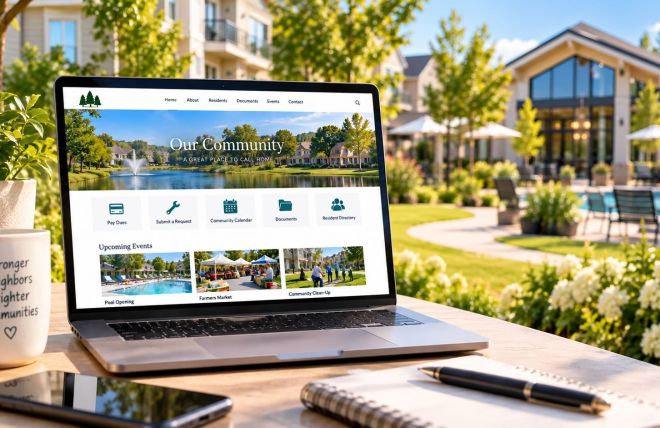
Modern platforms like Neighborhood.Online simplify operations, automate dues, and create transparency that fosters trust. With tools for meeting notices, document sharing, and community events, HOAs can focus on what they were always meant to do, bring people together.